
 EN
EN



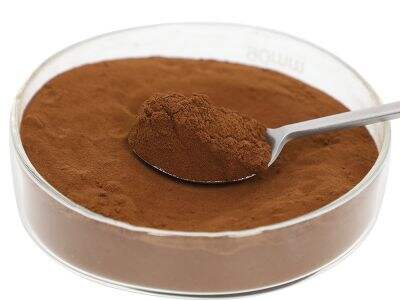
பயிர்களை வளர்க்கும் வகையில் மண்ணை மேம்படுத்த உதவக்கூடிய சிறப்பு விஷயங்களில் பொட்டாசியம் ஃபுல்வேட் ஒன்றாகும். இது சிதைந்த கரிமப் பொருட்களின் விளைவாக உருவாகிறது மற்றும் மண்ணை சீரமைக்க உதவுகிறது. பொட்டாசியம் ஃபுல்வேட்டைப் பயன்படுத்தும் விவசாயிகள் தங்கள் பயிர்களில் தெளிவான மாற்றத்தைக் காண முடியும். இது தாவரங்கள் வலுவாகவும், ஆரோக்கியமாகவும் வளர உதவுவதற்காக மண்ணில் நீர் மற்றும் ஊட்டச்சத்துகளை தக்கவைத்துக் கொள்ளவும் உதவுகிறது. நல்ல மண்ணின் மதிப்பை DEVELOP அறிந்திருக்கிறது, எனவே விவசாயிகளுக்கு உதவும் வகையில் பொட்டாசியம் ஃபுல்வேட்டை வழங்குகிறது. இந்த இடுகையில், கரிம பொட்டாசியம் ஃபுல்வேட் மண்ணின் அமைப்பை மேம்படுத்த ஏன் பயனுள்ளதாக இருக்கிறது மற்றும் இறுதியில் விவசாயிகள் சிறந்த பயிர்களை பயிரிட எவ்வாறு உதவுகிறது என்பதை நாங்கள் விவாதிப்போம்
அதிகரித்த பயிர் விளைச்சலுக்காக பொட்டாசியம் ஃபுல்வேட் மண் அமைப்பை எவ்வாறு மேம்படுத்துகிறது
மண் அமைப்பு மிகவும் பாதிக்கப்படலாம் பொட்டாசியம் ஃபுல்வேட். காற்றும் நீரும் செல்லும் வகையில் இடைவெளிகளைக் கொண்டிருக்கும் மண், அதுவே நல்ல மண் அமைப்பாகும். மண்ணில் பொட்டாசியம் ஃபுல்வேட் கரைசலைச் சேர்ப்பதன் மூலம் இந்த இடைவெளிகளை உருவாக்க முடியும். இதற்கான காரணம், ஃபுல்வேட் மண் துகள்களை ஒன்றாக இணைத்து கட்டிகளாக மாற்றுகிறது. இந்த கட்டிகள், கூழாங்கல் (அக்கிரிகேட்ஸ்) என அழைக்கப்படுகின்றன, இவை வேர்கள் வளர இடைவெளியை உருவாக்குகின்றன. வலுவான வேர்கள் அதிக ஊட்டச்சத்துகள் மற்றும் நீரை எடுத்துக்கொள்ள நீண்டு செல்கின்றன, இதன் மூலம் தாவரங்களுக்கு சிறந்த வளர்ச்சி கிடைக்கிறது
மேலும், பொட்டாசியம் ஃபுல்வேட் மண்ணின் நீர் தங்கியிருக்கும் திறனை அதிகரிக்கிறது. இது பொதுவான புரிதலுக்கு எதிரான கொள்கை: மண் அதிக நீரைத் தக்கவைத்திருந்தால், தாவரங்கள் வறட்சி காலத்தை எதிர்கொள்ள முடியும் என்பதை விவசாயிகள் புரிந்துகொள்கின்றனர். மழை தொடர்ச்சியாக இல்லாத பகுதிகளில் இது மிகவும் முக்கியமானது. பொட்டாசியம் ஃபுல்வேட்டை மண்ணில் கலப்பதன் மூலம், மழை பெய்யும்போது மண் நீரை உறிஞ்சிக்கொள்ளும் சுங்கி போன்ற விளைவை உருவாக்குகிறது, பின்னர் அந்த நீரைத் தக்கவைத்துக்கொள்கிறது
மேலும், பொட்டாசியம் ஃபுல்வேட் மண்ணின் ஊட்டச்சத்தை செழுமைப்படுத்த முடியும். இது தாவரங்களுக்கு ஊட்டச்சத்துகளை அதிகமாக கிடைப்பதையும் உறுதி செய்கிறது. எடுத்துக்காட்டாக, மண்ணில் சிக்கிக்கொள்ளும் ஊட்டச்சத்துகளைக் கரையச் செய்வதை இது எளிதாக்கி, அவற்றை தாவரங்களுக்கு எளிதாக அணுகக்கூடியதாக மாற்றுகிறது. இதன் பொருள், தாவரங்கள் வலுவாகவும் ஆரோக்கியமாகவும் வளர தேவையான உணவை அணுக முடியும் என்பதாகும்
பொட்டாசியம் ஃபுல்வேட் மண்ணை நீக்கும் முகவராக (லாக்சேட்டிவ் ஏஜென்ட்) செயல்பட்டு அடைப்பைக் குறைக்க முடியும். கடினமான மண் அடைப்பை உருவாக்குகிறது, இதன் காரணமாக வேர் அமைப்புகள் வளர சிரமப்படுகின்றன. மண்ணை தளர்வாக்கி வேர்கள் எளிதாக பரவ உதவுவதால் பொட்டாசியம் ஃபுல்வேட் பயன்படுத்தப்படுகிறது. பல ஆண்டுகளாக பயன்படுத்தப்பட்டு அடைப்புக்கான வாய்ப்புள்ள நிலங்களில் இது குறிப்பாக பயனுள்ளதாக இருக்கும்
பொட்டாசியம் ஃபுல்வேட்டைப் பயன்படுத்தும் விவசாயிகள் பயிர் விளைச்சலில் பெரிய மாற்றத்தைக் காண்பார்கள். ஆரோக்கியமான மண் என்பது ஆரோக்கியமான தாவரங்களை அளிக்கிறது, இது அதிக உணவு உற்பத்தியை அளிக்கிறது. டெவலப்ஸ் பொட்டாசியம் ஃபுல்வேட் விவசாயிகள் தங்கள் மண்ணை செழுமைப்படுத்தவும், தங்கள் நிலத்தின் சாத்தியத்தை அதிகபட்சமாக பயன்படுத்திக் கொள்ளவும் உதவுகிறது
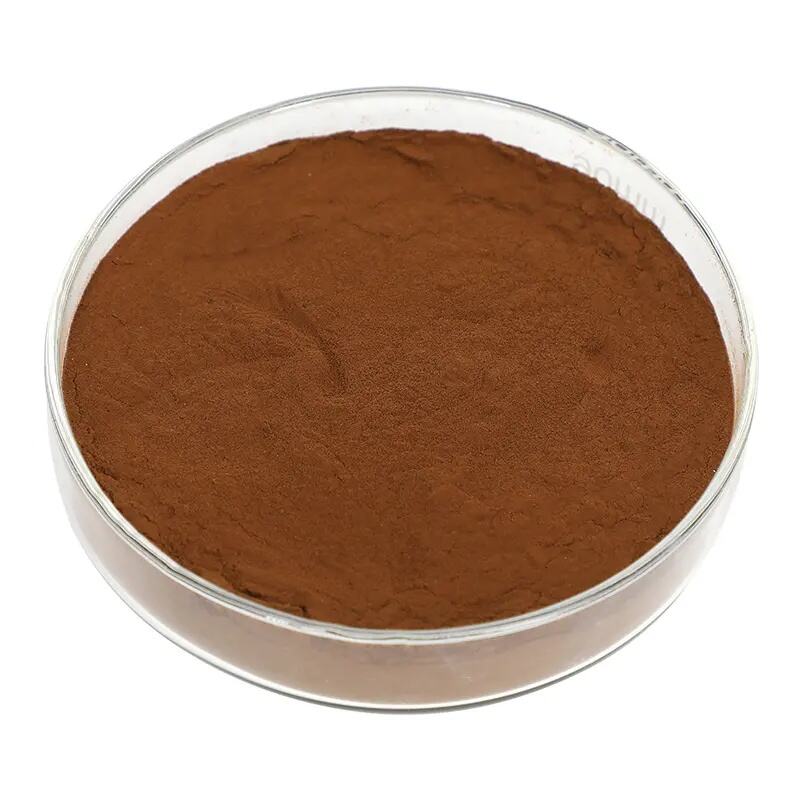
உங்கள் நிலைப்பாடு எதுவாக இருந்தாலும், விவசாயத்தில் பயன்படுத்தப்படும் பொட்டாசியம் ஃபுல்வேட்டின் பிற நன்மைகள் என்ன என்பதை நீங்கள் சரிபார்க்கலாம்
விவசாயத்தில் பொட்டாசியம் ஃபுல்வேட்டைப் பயன்படுத்துவதற்கு பல நன்மைகள் உள்ளன. அதில் ஒரு சிறந்த அம்சம் மண்ணில் நுண்ணுயிர் செயல்பாட்டை இது ஊக்குவிப்பதாகும். கரிமப் பொருட்களை உடைத்து, தாவரங்களுக்கான ஊட்டச்சத்துகளாக மாற்றுவதில் முக்கிய பங்கு வகிக்கும் நுண்ணிய உயிருளி நுண்ணுயிர்கள் ஆகும். மண்ணில் பொட்டாசியம் ஃபுல்வேட் சேர்ப்பது இந்த நுண்ணுயிர்களுக்கு நட்புச் சூழலை உருவாக்குகிறது. இது தாவர வாழ்க்கைக்கு அவசியமான ஓர் சுறுசுறுப்பான மண் சூழல் சமநிலையை ஊக்குவிக்கிறது
பொட்டாசியம் ஃபுல்வேட்டை தாவரங்கள் மண்ப்பாங்கு pH ஐ ஆதரிக்க பயன்படுத்துகின்றன. மண்ப்பாங்கின் அமிலத்தன்மை அல்லது காரத்தன்மையை அளவிடுவதே மண் pH ஆகும். வெவ்வேறு தாவரங்கள் குறிப்பிட்ட pH அளவில் சிறப்பாக வளரும். பயிர்கள் வளர ஏற்றதாக அமிலத்தன்மை அல்லது காரத்தன்மை மிகுந்த மண்ப்பாங்கு pH ஐ பொட்டாசியம் ஃபுல்வேட் நடுநிலையாக்க முடியும். மிகுந்த அமிலத்தன்மை அல்லது காரத்தன்மை கொண்ட மண்களுக்கு இது குறிப்பாக பயனுள்ளதாக இருக்கும்
மேலும், பொட்டாசியம் ஃபுல்வேட் ரசாயன உரங்களைப் பயன்படுத்துவதைக் குறைக்க உதவுகிறது. ஏனெனில் இது ஊட்டச்சத்துகளை அதிகமாக கிடைக்கச் செய்வதால், பயிர்களுக்கு உணவளிக்க ரசாயனங்களை அவ்வளவு அதிகமாகப் பயன்படுத்த வேண்டியதில்லை. இது சுற்றுச்சூழலுக்கு மட்டுமல்லாமல், சில சந்தர்ப்பங்களில் விவசாயிகளுக்கு செலவு குறைந்ததாகவும் இருக்கும்
மேலும், ஃபுல்வேட் பொட்டாசியம் மண்ணின் மொத்த ஆரோக்கியத்திற்கு பங்களிக்க முடியும். மண் அவ்வளவு ஆரோக்கியமாக இருந்தால், பல்வேறு தாவரங்களை வளர்க்க அது திறன் பெறும், இதன் மூலம் நீங்கள் சுழற்சி முறையில் வெவ்வேறு வகையான பயிர்களை பயிரிடலாம். இது மண்ணின் வளத்தை உறுதி செய்யும் மற்றும் பூச்சிகள் மற்றும் நோய்களை குறைக்கும்
இறுதியாக, DEVELOP இலிருந்து கிடைக்கும் பொட்டாசியம் ஃபுல்வேட் நிலையான விவசாயத்திற்கு வழிவகுக்கும். மண்ணின் ஆரோக்கியம் மேம்படுதல் மற்றும் குறைந்த ரசாயனங்கள் மூலம், விவசாயிகள் கிரகத்திற்கு நல்லதான வழியில் உணவை உற்பத்தி செய்ய முடியும். விவசாயத்தின் எதிர்காலத்தைப் பற்றி நாம் சிந்திக்கும்போதும், அதிகரித்து வரும் மக்கள்தொகைக்கு உணவளிக்க எவ்வாறு செய்வது என்பதைப் பற்றியும் இது முக்கியமானது
எனவே, சுருக்கமாக சொல்ல வேண்டுமெனில், பொட்டாசியம் ஃபுல்வேட் என்பது விவசாயிகளின் நண்பன். இது மண்ணின் அமைப்பை மேம்படுத்துகிறது, நுண்ணுயிர் செயல்பாட்டை ஊக்குவிக்கிறது, தாவரங்களுக்கு கிடைக்கக்கூடிய வடிவங்களாக நைட்ரஜன் மாற்றத்தில் - நைட்ரஜன் சுழற்சியில் உதவுகிறது மற்றும் போஷணச்சத்துகள் மேற்பரப்பு நீர் மற்றும் அடித்தள நீரில் கலவதிலிருந்து தடுக்கிறது. DEVELOP உடன், விவசாயிகள் சிறந்த பயிர்களை வளர்க்கலாம் மற்றும் ஆரோக்கியமான மண்ணை உருவாக்கலாம்
பொட்டாசியம் ஃபுல்வேட் ஏன் நிலைத்தன்மை கொண்ட விவசாயத்திற்கு முக்கியமானது
பொட்டாசியம் ஃபுல்வேட் என்பது மண் ஆரோக்கியத்தை மேம்படுத்தும் ஒரு கரிமச் சேர்மம் ஆகும். இது சிதைந்த தாவரங்கள் அல்லது உயிரினங்களின் எச்சங்களால் உருவாக்கப்படுகிறது. இது தாவரங்கள் வலுவாக வளர தேவையான ஊட்டச்சத்துகளை நிறைந்ததாக இருக்கிறது. மண்ணை மேம்படுத்த விவசாயிகள் தீங்கு விளைவிக்கக்கூடிய ரசாயனங்களை நம்பியிருக்க தேவையில்லை, அவர்களால் பொட்டாசியம் ஃபுல்வேட்டைப் பயன்படுத்த முடியும். இது சுற்றுச்சூழலை பாதிக்காமலும், சீர்குலைக்காமலும் உணவை வளர்க்கும் நிலைத்தன்மை வாய்ந்த விவசாயத்திற்கு முக்கியமானது — எதிர்கால தலைமுறைகளுக்காக இது இன்னும் ஆரோக்கியமானதாகவும், வாழக்கூடியதாகவும் இருக்கும்
பொட்டாசியம் ஃபுல்வேட்டை மிகச் சிறப்பாக்குவது, அது மண்ணில் தண்ணீரைத் தக்கவைத்துக் கொள்வதுதான். இது அருமையானது, ஏனென்றால் தாவரங்கள் வளர தண்ணீர் தேவைப்படுகிறது, ஆனால் சில நேரங்களில் மண் உலர்ந்துவிடலாம். பொட்டாசியம் ஃபுல்வேட் கொண்ட மண் தண்ணீரை நீண்ட நேரம் தக்கவைத்துக் கொள்கிறது. இதன் பொருள், உலர்ந்த வானிலையின் போதுகூட தாவரங்களுக்கு தண்ணீர் கிடைக்கும். பொட்டாசியம் ஃபுல்வேட் மண்ணிலிருந்து தாவரங்களுக்கு நேரடியாக ஊட்டச்சத்துகளை எடுத்துக் கொள்ளவும் உதவுகிறது. இந்த ஊட்டச்சத்துகள் தாவரங்களுக்கு கிடைக்கும்போது, அவை சிறப்பாக வளர்கின்றன மற்றும் நோய்களுக்கு எதிர்ப்புத்திறன் பெறுகின்றன
பொட்டாசியம் ஃபுல்வேட்டின் மற்றொரு சிறந்த முக்கிய நன்மை, அது மண் நுண்ணுயிர் செயல்பாட்டைத் தூண்டுகிறது என்பதாகும். நுண்ணுயிரிகள் என்பவை கரிமப் பொருட்களை சிதைக்க உதவும் சிறிய உயிரினங்கள். "முழுமையான மண் சூழல் மண்டலத்திற்கு இவை தேவை," என்று அவர் கூறினார். நுண்ணுயிரிகளின் எண்ணிக்கை அதிகமாக இருந்தால், அவை போஷகங்களை மீள் சுழற்சி செய்வதிலும், மண்ணை வளமாக வைத்திருப்பதிலும் அதிகமாக பங்களிக்க முடியும். "இது நிலையான விவசாயத்திற்கு முக்கியமானது, ஏனெனில் மண் ஆரோக்கியமாக இருந்தால், பயிர்களும் ஆரோக்கியமாக இருக்கும். எனினும், பொட்டாசியம் ஃபுல்வேட் மூலம் விவசாயிகள் தாவரங்களுக்கு மட்டுமல்லாமல், மண்ணில் வாழும் நன்மை பயக்கும் உயிரினங்களுக்கு ஆரோக்கியமான வாழ்விடத்தை உருவாக்க முடியும்
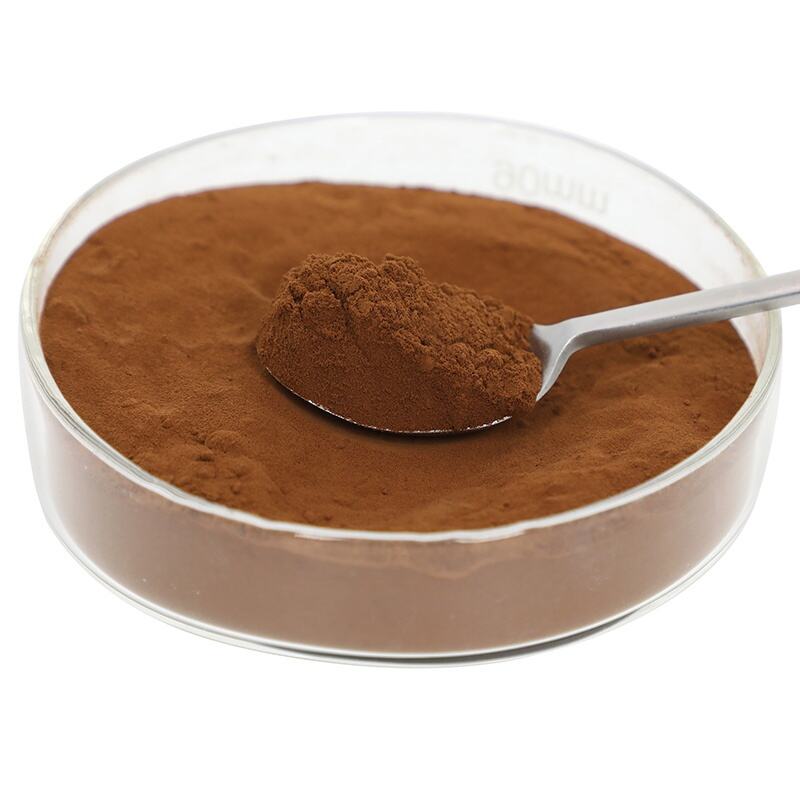
உச்ச மண் புதுப்பிப்பிற்கான பொட்டாசியம் ஃபுல்வேட்டின் பயன்பாடு
பொட்டாசியம் ஃபுல்வேட்டைப் பயன்படுத்துவது எளிதானது, ஆனால் மண்ணின் நிலைமைகளை மிகவும் மாற்றக்கூடியது. முதலில் அதை எவ்வாறு பயன்படுத்த வேண்டும் என்பதை விவசாயிகள் தீர்மானிக்க வேண்டும். பொட்டாசியம் ஃபுல்வேட்டை நீருடன் கலந்து மண்ணிலோ அல்லது தாவரத்திலோ தெளிக்கலாம். இது இலைகள் வழி செலுத்துதல் எனப்படுகிறது மற்றும் ஊட்டச்சத்துகளை தாவரங்கள் விரைவாக உட்கிரகிக்க உதவுகிறது. விதைகளை விதைப்பதற்கு முன்பாக பொட்டாசியம் ஃபுல்வேட்டை மண்ணில் கலக்கவும் முடியும். இது புதிய தாவரங்களுக்கான மண்ணைத் தயார் செய்கிறது மற்றும் அவை சிறப்பாக வளர உதவுகிறது
பொட்டாசியம் ஃபுல்வேட்டிற்கான பரிந்துரைக்கப்பட்ட அளவு இதுவாகும். ஒரு விஷயத்தை அதிகமாக எடுத்துக்கொள்வது தீங்கு விளைவிக்கும் என்று சொல்லப்படுகிறது, இதில் பொட்டாசியம் ஃபுல்வேட்டும் அடங்கும். விவசாயிகள் தங்கள் பயிர்கள் மற்றும் மண் வகைக்கு ஏற்ற சரியான அளவைக் கண்டறிய கவனமாகப் படிக்க வேண்டும். பொட்டாசியம் ஃபுல்வேட்டைப் பயன்படுத்துவதற்கு முன் மண்ணைச் சோதிக்க வேண்டும். இதன் மூலம், அவர்கள் மண் என்ன கேட்கிறது என்பதைப் புரிந்துகொள்ளலாம் மற்றும் அதற்கு சரியான ஊட்டச்சத்துகளை வழங்குவதை உறுதி செய்யலாம்
பொட்டாசியம் ஃபுல்வேட்டை சரியான நேரத்தில் சேர்ப்பதும் முக்கியம். வளர்ச்சி காலத்தில் அதைப் பயன்படுத்துவது, தாவரங்கள் அதிக ஆதரவை தேவைப்படும் போது உதவியாக இருக்கும். பல விவசாயிகள் தங்களது வளர்ச்சி காலத்தை நான்கு அல்லது ஐந்து வாரங்களுக்கு முன்னெடுக்க அதை ஆரம்பத்திலேயே பயன்படுத்துகிறார்கள். இது தாவர வளர்ச்சிக்கு உதவியாக இருக்கும், மேலும் சிறந்த மகசூலை ஏற்படுத்தக்கூடும். மேலும், சிறந்த மகசூலுக்காக விவசாயிகள் பிற கனிம உரங்களுடன் பொட்டாசியம் ஃபுல்வேட்டை கூடுதலாக சேர்க்கலாம். இவற்றின் சேர்க்கை தாவரங்களின் செழிப்பான வளர்ச்சிக்கு ஏற்ற மண்ணின் சூழலை உருவாக்கும்
பொட்டாசியம் ஃபுல்வேட்டின் மண்ணின் வளமைமீது நீண்டகால விளைவு என்ன
விவசாயத்தில் பொட்டாசியம் ஃபுல்வேட்டைப் பயன்படுத்துவதால் நீண்டகால நன்மைகள் பல உள்ளன. அதில் மிகச்சிறந்த நன்மைகளில் ஒன்று, மண்ணின் அமைப்பை அது உருவாக்குவதாகும். நல்ல மண் அமைப்பு என்பது தளர்வாகவும், துண்டு துண்டாகவும் இருக்கும் மண்ணைக் குறிக்கிறது, இதனால் காற்றும் தண்ணீரும் எளிதாக அதன் வழியே செல்ல முடியும். இது மிகவும் முக்கியமானது, ஏனெனில் தாவரங்கள் தங்கள் வேர்களுக்கு காற்றை சுவாசிக்கவும், வளர்ச்சிக்கு தண்ணீரையும் தேவைப்படுகின்றன. ஆரோக்கியமான மண் தாவரங்கள் வலுவாக வளரவும், அதிக பழங்கள் மற்றும் காய்கறிகளை உருவாக்கவும் உதவுகிறது
பொட்டாசியம் ஃபுல்வேட்டின் மற்றொரு நல்ல தூரநோக்கு விளைவு, மண்ணில் கரிமப் பொருட்களை உருவாக்கும் திறன் ஆகும். கரிமப் பொருட்கள் அழுகிய தாவரங்கள் மற்றும் விலங்குகளைக் கொண்டவை, மேலும் மண் ஆரோக்கியத்திற்கு இவை மிகவும் முக்கியமானவை. இவை ஊட்டச்சத்துகளில் செழுமையானவை மற்றும் மண் ஈரத்தை தக்கவைத்துக் கொள்ள உதவுகின்றன. அது பொட்டாசியம் ஃபுல்வேட் அழுகும்போது, மண்ணின் கரிமச் சத்துகளில் பங்களிக்கிறது. நீண்டகாலத்தில், பெரிய கரிம மூலக்கூறுகளைக் கொண்ட தடித்த மண்ணை உருவாக்க முடியும், இது தாவரங்கள் வளர ஏற்றதாக இருக்கும்
மேலும், காலியம் ஃபுல்வேட் மண்ணில் நல்ல உயிரிழையத்தை ஊக்குவிக்கிறது. கரிமப் பொருட்களை சிதைக்கவும், ஊட்டச்சத்துகளை மறுசுழற்சி செய்யவும் இந்த நுண்ணுயிரிகள் மிகவும் முக்கியமானவை. இந்த நன்மை தரும் உயிரினங்கள் மண்ணைத் தாவரங்களுக்கு ஏற்ற இடமாக மாற்றுகின்றன. இதன் விளைவாக, விவசாயிகள் ஆண்டுதோறும் அதிகரித்த விளைச்சலைக் காண்வார்கள். காலியம் ஃபுல்வேட்டை விவசாயிகள் தொடர்ந்து பயன்படுத்தினால், அவர்களது விவசாய முறைமையில் ஆண்டுகளாக நிலையான மண் ஆரோக்கியத்திற்கான சூழலை உருவாக்க முடியும்
தங்கள் மண் ஆரோக்கியத்தை மேம்படுத்தவும், நிலையான விவசாய நடைமுறைகளை ஆதரிக்கவும் விரும்பும் விவசாயிகளுக்கு காலியம் ஃபுல்வேட் சிறந்தது. DEVELOP போன்ற தயாரிப்புகளைப் பயன்படுத்துவதன் மூலம், அவர்களது நிலம் எதிர்கால ஆண்டுகளுக்கு வளமானதாகவும், விவசாயத்திற்கு ஏற்றதாகவும் இருக்கும் என விவசாயிகள் உறுதியாக இருக்கலாம்
உள்ளடக்கப் பட்டியல்
- அதிகரித்த பயிர் விளைச்சலுக்காக பொட்டாசியம் ஃபுல்வேட் மண் அமைப்பை எவ்வாறு மேம்படுத்துகிறது
- உங்கள் நிலைப்பாடு எதுவாக இருந்தாலும், விவசாயத்தில் பயன்படுத்தப்படும் பொட்டாசியம் ஃபுல்வேட்டின் பிற நன்மைகள் என்ன என்பதை நீங்கள் சரிபார்க்கலாம்
- பொட்டாசியம் ஃபுல்வேட் ஏன் நிலைத்தன்மை கொண்ட விவசாயத்திற்கு முக்கியமானது
- உச்ச மண் புதுப்பிப்பிற்கான பொட்டாசியம் ஃபுல்வேட்டின் பயன்பாடு
- பொட்டாசியம் ஃபுல்வேட்டின் மண்ணின் வளமைமீது நீண்டகால விளைவு என்ன