
 EN
EN



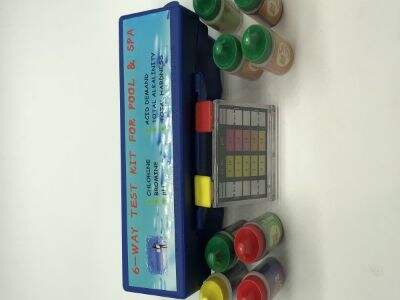
ఉప్పు ఆహారాన్ని రుచికరంగా మార్చడానికి మాత్రమే కాదు; పూల్ నిర్వహణలో కూడా ఇది ముఖ్యమైన పాత్ర పోషిస్తుంది. శుభ్రమైన, స్పష్టమైన నీటిని కోరుకునే కానీ పర్యావరణ ప్రభావాన్ని తగ్గించాలనుకునే పూల్ యజమానుల మధ్య పెరుగుతున్న ప్రజాదరణ పొందుతున్న మరొక ఎంపిక ఉప్పు-ఆధారిత సెనిటైజర్లు. కఠినమైన పదార్థాలతో ఉన్న సాధారణ పూల్ రసాయనాలకు విరుద్ధంగా, ఉప్పు వ్యవస్థలు మీ నీటిని శుభ్రంగా ఉంచడానికి ఉప్పు యొక్క సహజ శక్తిని ఉపయోగిస్తాయి. ఈ పూల్ రసాయనాల టెస్ట్ స్ట్రిప్స్ వ్యవస్థలు ఉప్పును క్లోరిన్గా మారుస్తాయి, ఈతగాళ్ల కోసం పూల్స్ యొక్క ఆరోగ్యాన్ని మరియు భద్రతను నిర్వహిస్తాయి. పూల్ యజమానులు ఉప్పును ఉపయోగించడం ద్వారా డబ్బును పొదుపు చేయవచ్చు మరియు పర్యావరణానికి హాని చేయగల తక్కువ రసాయనాలను ఉపయోగించవచ్చు. పూల్ సంరక్షణను సులభతరం చేయడమే కాకుండా, గ్రహానికి చాలా బాగా ఉండే సమర్థవంతమైన, సుస్థిరమైన సెనిటైజింగ్ పరిష్కారాలపై పనిచేస్తున్న సంస్థలలో DEVELOP ఒకటి.
మీ పూల్ నీటి నాణ్యత మరియు భద్రత కొరకు ఉప్పు-ఆధారిత సెనిటైజర్ల ప్రయోజనాలు
ఉప్పు ఆధారిత సెనిటైజర్లు పూల్ నీటిని సురక్షితంగా మరియు శుభ్రంగా ఉంచుతాయని తెలుసు. మీరు ఉప్పును వేసినప్పుడు, విద్యుద్విశ్లేషణ జరుగుతుంది. ఇది ఎందుకంటే ఉప్పు నీరు ఉప్పును క్లోరిన్గా మార్చే పరికరం గుండా ప్రవహిస్తుంది. ఈ క్లోరిన్ మీ పూల్లో బాక్టీరియా మరియు పచ్చిక పెరుగుదలను నెమ్మదింపజేసి, నిరోధిస్తుంది. ఉప్పు-ఆధారిత: సాంప్రదాయ స్విమ్మింగ్ పూల్ రసాయన కిట్ చర్మాన్ని ఇబ్బంది పెట్టి, అలర్జీలను కలిగించే వాటికి భిన్నంగా, ఉప్పు-ఆధారిత ఉత్పత్తులు చాలా సౌకర్యవంతంగా ఉంటాయి.
మీ పూల్లో ఈత కొట్టడం లాగా ఆలోచించండి, మరియు నీరు మీ చర్మానికి మృదువుగా ఉంటుంది—ఈ క్లోరిన్-రహిత పూల్స్ గురించి ఈతగాళ్లు అభిమానించే విషయాల్లో ఇది ఒకటి. మీకు కళ్ళలో మంట వచ్చే ఆ ఘోరమైన క్లోరిన్ వాసన ఏమీ ఉండదు. ఇది బదులుగా, మీకు మరింత సహజమైన అనుభవం లభిస్తుంది.
లవణ శుద్ధికరణితో, మీకు నిరంతర రక్షణ కూడా లభిస్తుంది. ఇది క్లోరిన్ను నిరంతరం ఉత్పత్తి చేస్తుంది, కాబట్టి మీరు వారం-వారంగా రసాయనాలు కలపాలని గుర్తుంచుకోవాల్సిన అవసరం లేదు. ఇది తక్కువ నిర్వహణకు దారితీస్తుంది, ఎందుకంటే ఇది తక్కువ పని, మరియు మీరు ఈత కొట్టడానికి ఎక్కువ సమయం కలిగి ఉంటారు! నేను తెలుసుకున్న చాలా మంది వారు తమ పూల్ నీరు రసాయనాల కంటే లవణంతో నడుస్తున్నప్పుడు "మెరుగ్గా" అనిపిస్తుందని, స్పష్టంగా కనిపిస్తుందని చెబుతారు.
మరొక ప్రయోజనం ఏమిటంటే, లవణ నీటి వ్యవస్థలు చాలా సురక్షితంగా ఉండవచ్చు. సాధారణంగా అవి తక్కువ గాఢత కలిగిన క్లోరిన్ను ఉత్పత్తి చేస్తాయి, కాబట్టి నీటిలోని బాక్టీరియా ప్రమాదకరంగా మారే అవకాశం గణనీయంగా తగ్గుతుంది. పిల్లలతో కుటుంబాలకు, ఇది ప్రత్యేకంగా ముఖ్యమైనది.
DEVELOP పూల్ మరియు దాని చుట్టుపక్కలను మెరుగుపరచడమే కాకుండా, దాన్ని సురక్షితం చేయడానికి లవణంతో తయారు చేసిన శుద్ధికరణులను కలిగి ఉంది. పూల్ యజమానులకు: తక్కువ నిర్వహణ కారణంగా ఈ పరిష్కారాలు ఆకర్షణీయంగా ఉంటాయి. తక్కువ ఆందోళన, నీటిలో ఎక్కువ సమయం ఆనందించడం.
పూల్ టు సాల్ట్ కన్వర్షన్: మీ పూల్ను సాంప్రదాయిక రసాయనాల నుండి లవణ నీటి వ్యవస్థకు ఎలా మార్చాలి?
సాల్ట్-ఆధారిత పరిష్కారాలతో ప్రారంభించడం భయాన్ని కలిగించవచ్చు, కానీ ఈ దశలను అనుసరిస్తే అది అవసరం లేదు. ఏదైనా చేయడానికి ముందు, మీ పూల్ నీటిని పరీక్షించి, రసాయనాల స్థాయిలను తనిఖీ చేయండి. మీరు ప్రారంభించే ముందు అది సమతుల్యంగా ఉందని నిర్ధారించుకోవాలి. ఇందులో pH, ఆల్కలినిటీ మరియు క్లోరిన్ స్థాయిలను తనిఖీ చేయడం ఉంటుంది. మీరు ఏదైనా సరికానిది గమనిస్తే, మొదట వాటిని సరిచేయండి.
రెండవది, మీకు సాల్ట్వాటర్ క్లోరిన్ జనరేటర్ కలిగి ఉండాలి. ఇది ఉప్పును క్లోరిన్గా మార్చే పరికరం, మరియు ఇది సాధారణంగా సాల్ట్వాటర్ సిస్టమ్ యొక్క హృదయంగా పరిగణించబడుతుంది. మీ పూల్ కు సరిపడిన పరిమాణం కలిగిన జనరేటర్ను ఎంచుకోండి. DEVELOP వివిధ రకాల పూల్ పరిమాణాలు మరియు రకాలకు ఎంపికలను అందిస్తుంది.
ఇన్స్టాల్ చేసిన తర్వాత, మీ ఈత కొలనులో సరిపడా ఉప్పును వేయండి. మీ పరికరానికి అనుసంధానించిన సూచనలను అనుసరించాలి. సరైన పరిమాణంలో ఉప్పు ఉండటం చాలా ముఖ్యం, ఎందుకంటే ఇది నీటిని సురక్షితంగా ఉంచడానికి సరిపడా క్లోరిన్ను ఉత్పత్తి చేయడానికి సిస్టమ్కు అనుమతిస్తుంది. ఉప్పు కలిపిన తర్వాత పంప్ కొన్ని గంటల పాటు పనిచేయాలి. ఇది ఉప్పు కరగడానికి మరియు సరిగ్గా కలవడానికి సహాయపడుతుంది.
ఉప్పు కరగుతున్నప్పుడు మీ కొలను రసాయన స్థితిని దగ్గరగా పర్యవేక్షించండి. మీ ఉప్పు నీటి ద్రావణం కొలను నీటితో కలిసేటప్పుడు pH మరియు ఆల్కలినిటీని సర్దుబాటు చేయాల్సి ఉండవచ్చు. మీరు మరింత నీటితో నింపాల్సిన అవసరం ఉందో లేదో నీటిపై దృష్టి పెట్టండి.
చివరగా, మీ కొత్త ఉప్పు వ్యవస్థను ఆస్వాదించడం ప్రారంభించండి! మీరు మీ కొలనును సులభంగా జాగ్రత్త తీసుకోవడంలో తక్షణమే సౌకర్యం కనుగొనవచ్చు. తక్కువ ఘోరమైన రసాయనాలు మరియు కొలను నీటికి మృదువైన భావనతో, ఇది అందరికీ ఆనందదాయకం. ఉప్పు-ఆధారిత పరిష్కారాలను ఉపయోగించడానికి చర్యలు తీసుకోవడమే కాకుండా, మన గొప్ప భూమిపై కొంచెం ఎక్కువ ప్రేమను చూపిస్తున్నారు, ఇది జరుపుకోదగిన విషయం.
సాల్ట్-ఆధారిత సానిటైజర్ సమస్యలను పరిష్కరించడం
మీ కొలనుతో సాల్ట్-ఆధారిత సానిటైజింగ్ వ్యవస్థను ఉపయోగించడం ప్రారంభించినప్పుడు, కొన్ని సమస్యలు తలెత్తవచ్చు. మీరు శుభ్రమైన మరియు సురక్షితమైన నీటిని కలిగి ఉండేలా చేయడానికి ఈ సమస్యలను సరిచేయడం నేర్చుకోవాలి. మరొక సాధారణ సమస్య ఏమిటంటే, నీరు మబ్బుగా లేదా ఆకుపచ్చగా కనిపిస్తుంది. ఇది తక్కువ మరియు ఎక్కువ ఉప్పు స్థాయిలతో కూడా సంభవించవచ్చు. ముందుగా, ఉప్పు పట్టీ లేదా ఉప్పు మీటర్తో ఉప్పు స్థాయిని పరీక్షించండి. అది తక్కువగా నమోదు చేస్తే, నీటిలో మరింత ఉప్పు కలపాల్సి ఉంటుంది. మీ DEVELOP అభివృద్ధి చేసిన సాల్ట్ వ్యవస్థ యొక్క యజమాని మాన్యువల్ను సంప్రదించండి. స్థాయిలు చాలా ఎక్కువగా ఉంటే దాన్ని పలచబరచడానికి సరికొత్త నీటిని కలపాల్సి ఉంటుంది. మరొక సమస్య ఏమిటంటే, సాల్ట్ సెల్ దోషం కావడం. ఈ భాగం ఉప్పును క్లోరిన్గా మారుస్తుంది. అది పనిచేయకపోతే, స్కేల్ పేరుకుపోవడం లేదా ధూళిని తనిఖీ చేయండి. తరచుగా దానిని వినెగార్ ద్రావణంతో శుభ్రం చేయవచ్చు. కొంచెం పరిరక్షణతో, ఇది రాబోయే చాలా నెలలపాటు బాగా పనిచేస్తుంది.
కొన్ని సందర్భాలలో లవణ వ్యవస్థ ఉన్నప్పటికీ చాలా మంది క్లోరిన్ను వాసన చూస్తారు. నీటిలో ఎక్కువ క్లోరిన్ ఉన్నప్పుడు ఇది జరుగుతుంది. పరీక్షా పరికరంతో క్లోరిన్ స్థాయిలను పరీక్షించండి. అవి ఎక్కువగా ఉంటే, సూర్యకాంతి దానిలో కొంత భాగాన్ని తొలగించడంలో సహాయపడుతుంది. కేవలం ఒక రోజు పూల్ను సూర్యుడి కాంతిలో మరియు గాలిలో తెరిచి ఉంచండి. ఈ చిట్కాలను అనుసరించిన తర్వాత కూడా మీరు ఇబ్బంది పడుతుంటే, పూల్ నిపుణుడిని సంప్రదించాలని లేదా అదనపు సలహా కోసం DEVELOPని సంప్రదించాలని పరిగణనలోకి తీసుకోండి.
లవణ-ఆధారిత శానిటైజర్లు సాంప్రదాయిక పూల్ రసాయనాల లాగానే ఉంటాయా?
సాల్ట్-ఆధారిత సానిటైజర్లు సాంప్రదాయ పూల్ రసాయనాల కంటే భిన్నంగా పనిచేస్తాయి. పాత తరహా పూల్ నిర్వహణకు సంబంధించి, క్లోరిన్ను సాధారణంగా నీటిలోకి నేరుగా కలుపుతారు. ఇది చర్మం మరియు కళ్ళకు కఠినంగా ఉండి, కొంచెం ఇబ్బంది కలిగించవచ్చు. దీనికి విరుద్ధంగా, సాల్ట్-ఆధారిత వ్యవస్థ క్లోరిన్ ఉత్పత్తి కొరకు ఉప్పును ఉపయోగిస్తుంది. అంటే మీరు ఎప్పుడూ రసాయనాల సంచులను నిరంతరం జోడించాల్సిన అవసరం లేదు మరియు క్లోరిన్ యొక్క సిద్ధంగా ఉన్న సరఫరా ఉంటుంది. పూల్ నీటిలో ఉప్పు కరిగినప్పుడు, అది క్లోరిన్గా మారి పూల్ను శుభ్రపరుస్తుంది. నిజమైన, పెద్ద తేడా ఏమిటంటే సాల్ట్ వాటర్ చర్మంపై మృదువుగా ఉంటుంది. ఈతగాళ్ళు చర్మం దురద లేకుండా లేదా ఎర్రనెత్తిన కళ్ళు లేకుండా ఎక్కువ సమయం ఈదగలుగుతున్నట్లు తరచుగా నివేదిస్తారు.
ధర కూడా ఒక ముఖ్యమైన పరిగణన. ఉప్పు ఆధారిత వ్యవస్థలో ప్రారంభ పెట్టుబడి ఎక్కువగా ఉండవచ్చు, కానీ సాధారణంగా సమయంతో పాటు మీరు తక్కువ ఖర్చు చేస్తారు. ఇది వారం-వారం క్లోరిన్ సంచులను కొనడం అవసరం లేకపోవడం వల్ల. ఉప్పు క్లోరిన్కు సంబంధించి తక్కువ ఖరీదైనది. ఉప్పు ఆధారిత వ్యవస్థలను నిర్వహించడం కొంచెం సులభం. కొంతమంది ఏర్పాటు ప్రక్రియను అధికంగా సంక్లిష్టం చేస్తారు, కానీ DEVELOP నుండి కొంచెం సహాయంతో, మీ ఉప్పు వ్యవస్థను సరియైన పద్ధతిలో నడిపించడానికి మేము మిమ్మల్ని మార్గనిర్దేశం చేస్తాము. చాలా ప్రామాణిక రసాయనాలు మీ నీటిని తరచుగా పరీక్షించి, సర్దుబాటు చేయమని అడుగుతాయి, ఇది సమయం తీసుకునే మరియు సమయ పరంగా తీవ్రమైనదిగా ఉంటుంది. సాధారణంగా, ఉప్పు ఆధారిత శుద్ధిపరిచేవి శుభ్రమైన, సులభమైన నీటిని అందిస్తాయి మరియు చాలా మంది పూల్ యజమానులకు ఇది వాటిని ప్రత్యేకంగా నిలబెడుతుంది.
నివాసితులకు సాగు నీటి శుద్ధి పరికరాల యొక్క ఉత్తమ ప్రయోజనాలు ఏమిటి?
చాలా మంది ఇంటి యజమానులు తమ పూల్లకు సాల్ట్-ఆధారిత శానిటైజర్లను ఎంచుకుంటున్నారు, దీనికి కొన్ని కారణాలు ఉన్నాయి. నీరు ఎంత మృదువుగా ఉంటుందో ఒక పెద్ద ప్రయోజనం. క్లోరిన్ పూల్లు చర్మాన్ని ఇబ్బంది పెట్టి, జుట్టును ఎండబెట్టినప్పటికీ, సాల్ట్ వాటర్ చాలా మృదువుగా ఉంటుంది. మీ తల త్వరగా చల్లబడకుండానే మీరు సులభంగా ఎక్కువ సమయం ఈత కొట్టవచ్చు. తర్వాత, సాల్ట్-ఆధారిత పూల్ రసాయన పరీక్షణ కిట్ మీ పూల్ను ఎక్కువగా శుభ్రంగా ఉంచడంలో సహాయపడుతుంది. అమర్చినప్పుడు, పరికరం అవసరమైనప్పుడల్లా క్లోరిన్ను ఉత్పత్తి చేస్తుంది. ఈ విధంగా ప్రతి వారం రసాయనాలు కలపాలని గుర్తుచేసుకోకుండానే మీకు శుభ్రమైన నీరు లభిస్తుంది.
తక్కువ తీవ్రమైన రసాయన వాసనలు మరొక ప్రయోజనం. సాంప్రదాయిక పూల్లు క్లోరిన్ వాసన బాగా వచ్చేసరికి, దీనిని కొందరు ఇష్టపడరు. ఉప్పు నీటి పూల్లకు ఇది సాధారణంగా వర్తించదు, ఎందుకంటే క్లోరిన్ నిజానికి ఉప్పు నుండి ఉత్పత్తి అవుతుంది, కానీ ఇది చాలా మంచి పర్యావరణాన్ని అందిస్తుంది. అలాగే, ఉప్పుతో శుద్ధి చేయడం పర్యావరణానికి మేలు చేస్తుంది. మంచు కప్పిన రహదారులపై వ్యాప్తి చెందే సాంప్రదాయిక రసాయనాలు వాటిలో కారుతూ లేదా చిందినప్పుడు మొక్కలు మరియు జంతువులకు హాని చేయవచ్చు, కానీ ఉప్పు సరైన విధంగా ఉపయోగించినప్పుడు హాని కలిగించదు. చివరగా, ఉప్పు-ఆధారిత శుద్ధి పద్ధతిని ఉపయోగించడం ద్వారా డబ్బు పొదుపు చేస్తారు. ముందుగా ఖర్చు ఎక్కువ అయినప్పటికీ, ప్రతి నెలా క్లోరినేషన్ కొనుగోలు చేయాల్సిన అవసరం ఉండదు. దీర్ఘకాలంలో, ఈ పొదుపు గణనీయమైన తేడా తీసుకురావచ్చు.
మొత్తంగా, ఉప్పు-ఆధారిత శుద్ధి పద్ధతులు చాలా బాగున్నాయి. శుభ్రమైన నీటి నుండి తక్కువ ఖర్చు వరకు, పెరుగుతున్న సంఖ్యలో ఉన్న పూల్ యజమానులు మారుతున్నారందుకు కారణం స్పష్టంగా ఉంది. మీ పూల్ కోసం దీనిపై మరింత సమాచారం పొందాలనుకుంటే, DEVELOP పాల్గొనడానికి సంబంధించిన మరింత సమాచారాన్ని అందించడంలో సహాయపడుతుంది.
విషయ సూచిక
- మీ పూల్ నీటి నాణ్యత మరియు భద్రత కొరకు ఉప్పు-ఆధారిత సెనిటైజర్ల ప్రయోజనాలు
- పూల్ టు సాల్ట్ కన్వర్షన్: మీ పూల్ను సాంప్రదాయిక రసాయనాల నుండి లవణ నీటి వ్యవస్థకు ఎలా మార్చాలి?
- సాల్ట్-ఆధారిత సానిటైజర్ సమస్యలను పరిష్కరించడం
- లవణ-ఆధారిత శానిటైజర్లు సాంప్రదాయిక పూల్ రసాయనాల లాగానే ఉంటాయా?
- నివాసితులకు సాగు నీటి శుద్ధి పరికరాల యొక్క ఉత్తమ ప్రయోజనాలు ఏమిటి?